Project Team Talent Showcase2

Introducing the innovative work from more of our architecture project team. Their passion and ingenuity shine through in their varied and compelling Youth Economy Campus concepts. Explore the creative interpretations, environmentally conscious designs, and insightful solutions these future architects have developed. This presentation highlights their growth and potential, and we’re excited to unveil their achievements.
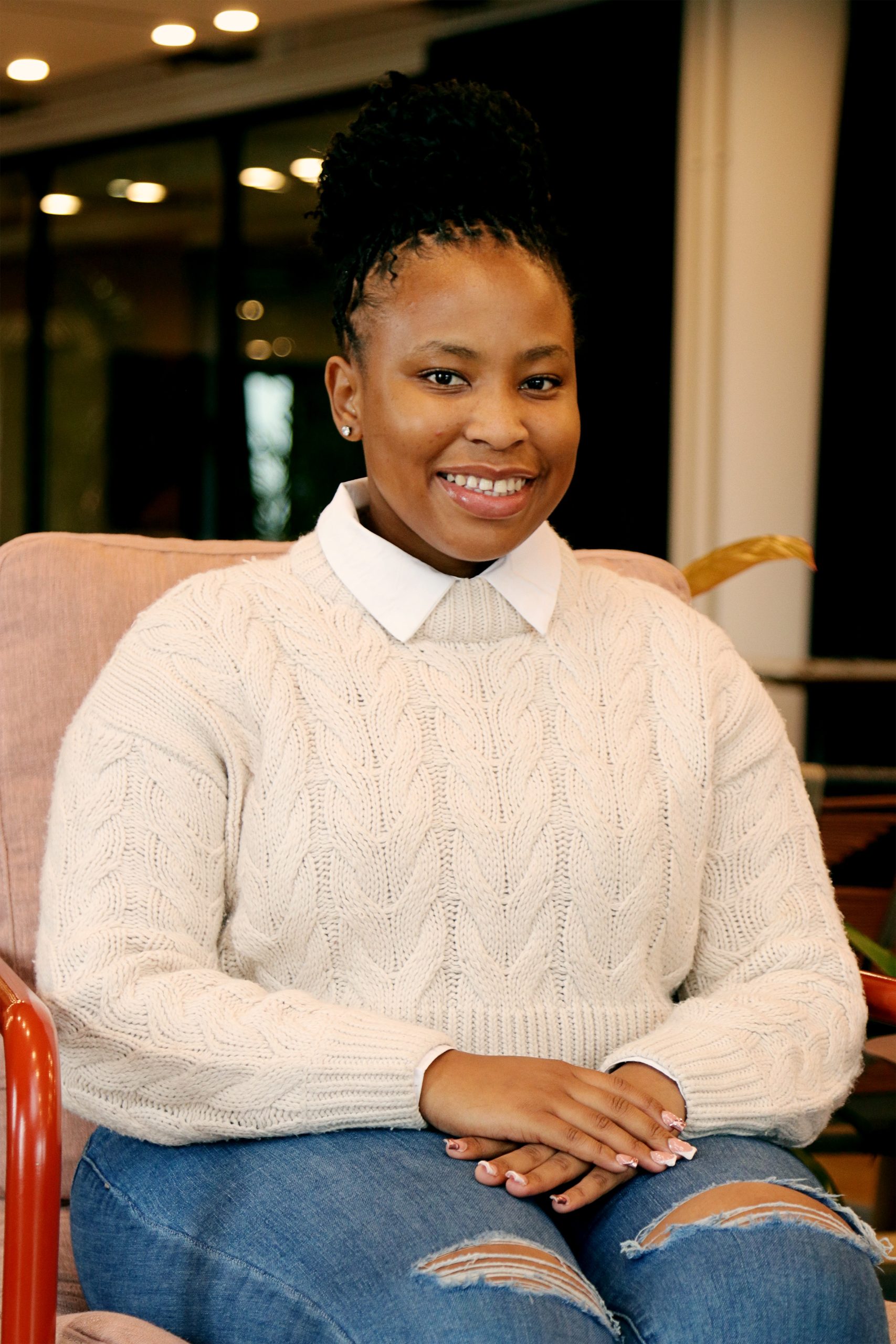
Siphokazi Mavimbela, KZN
What inspired your design process?
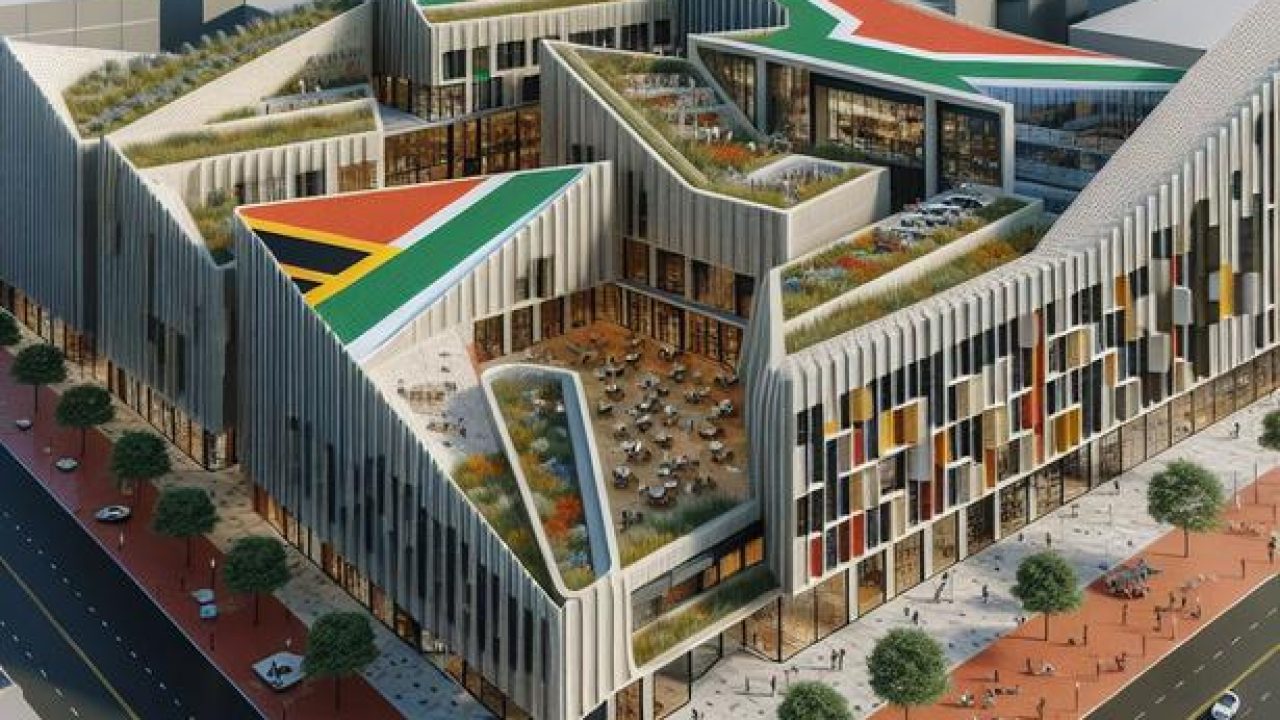
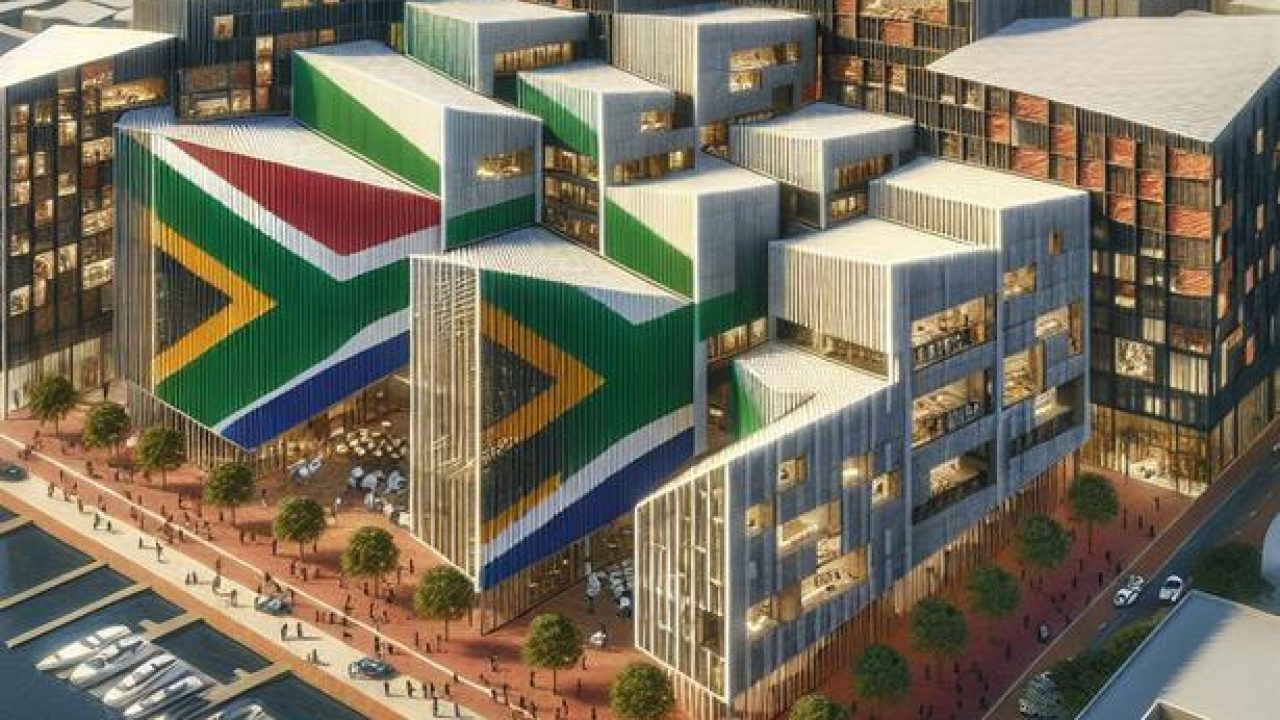
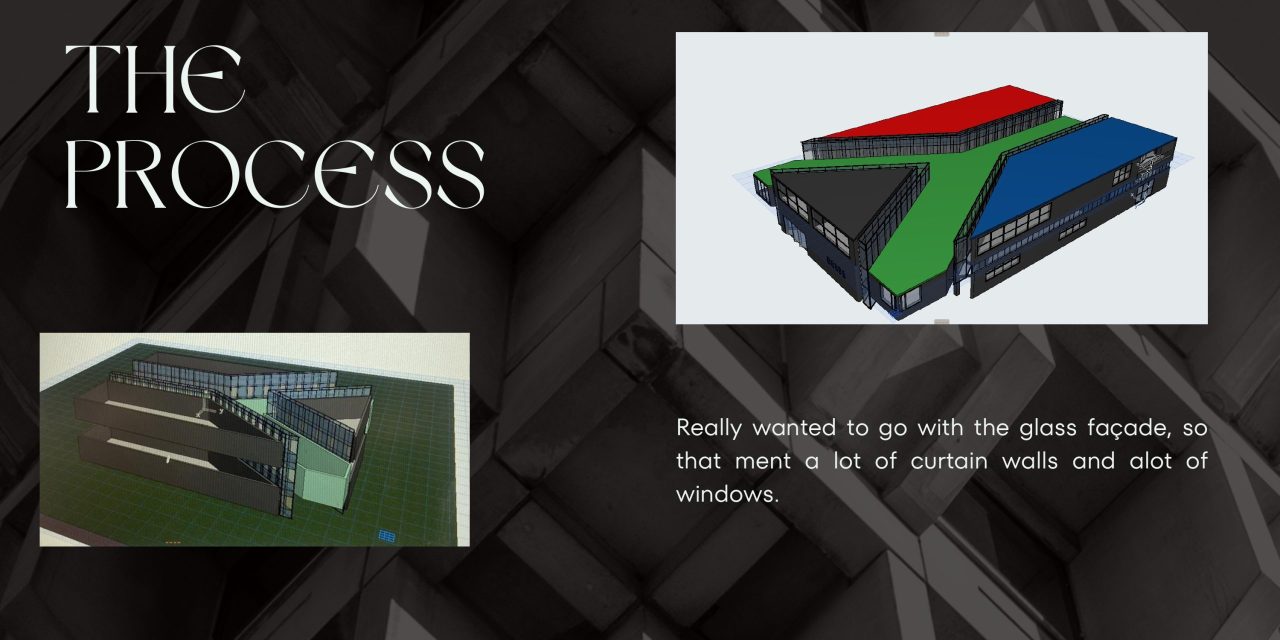
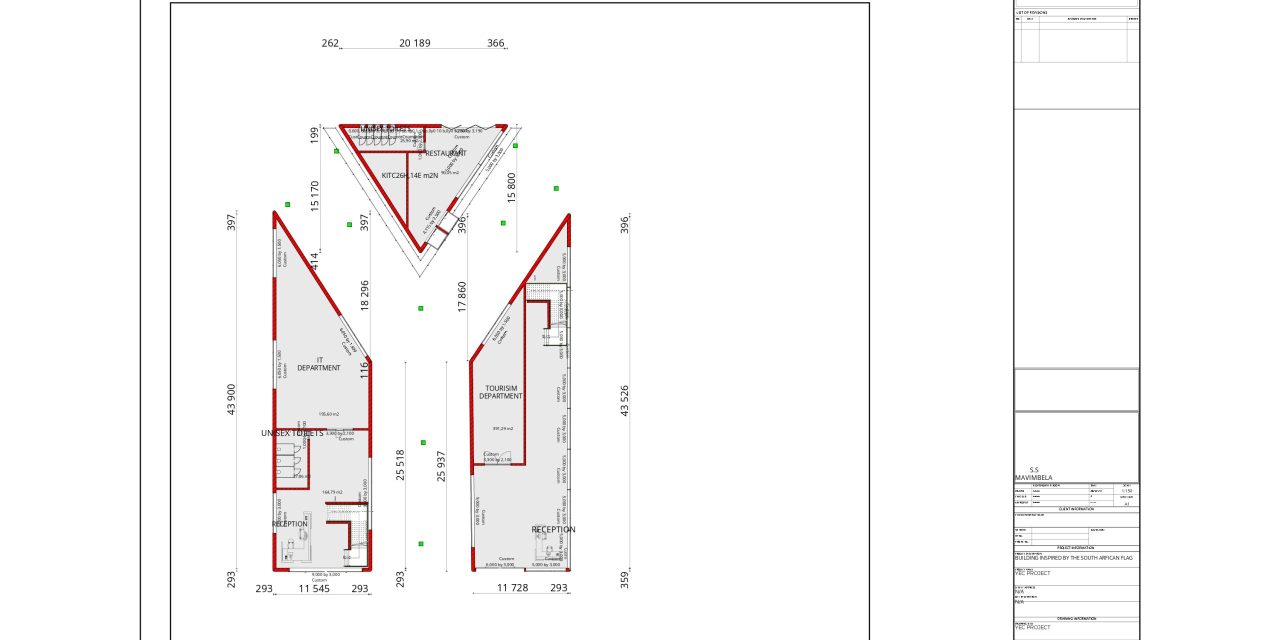
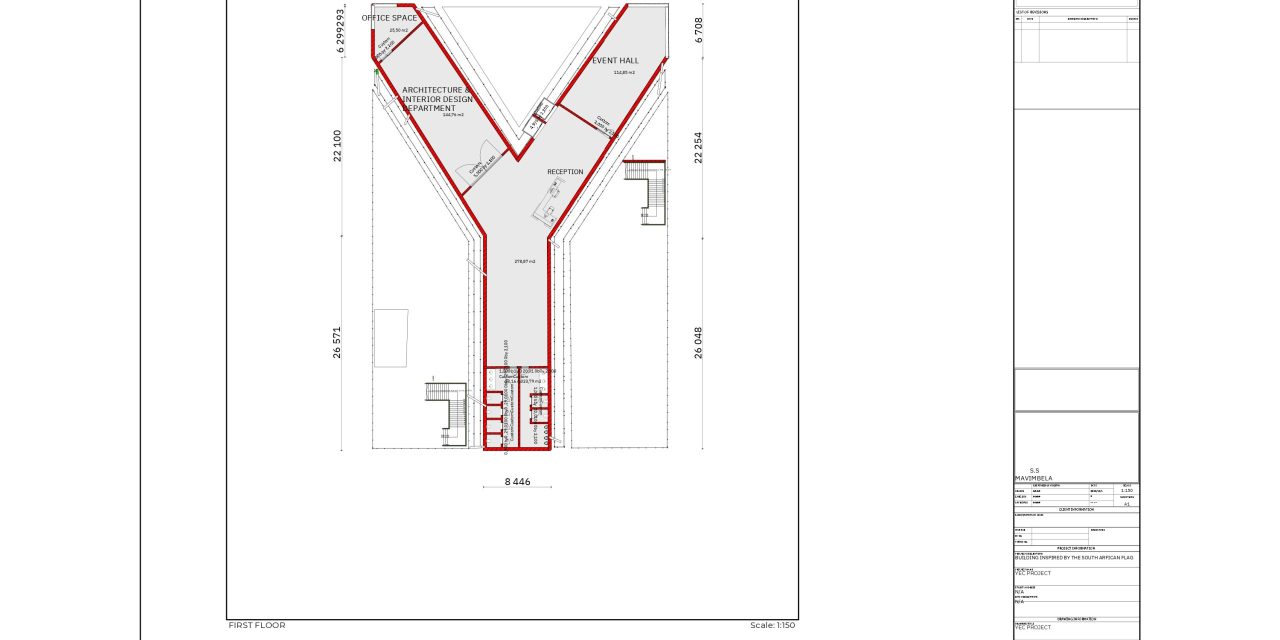
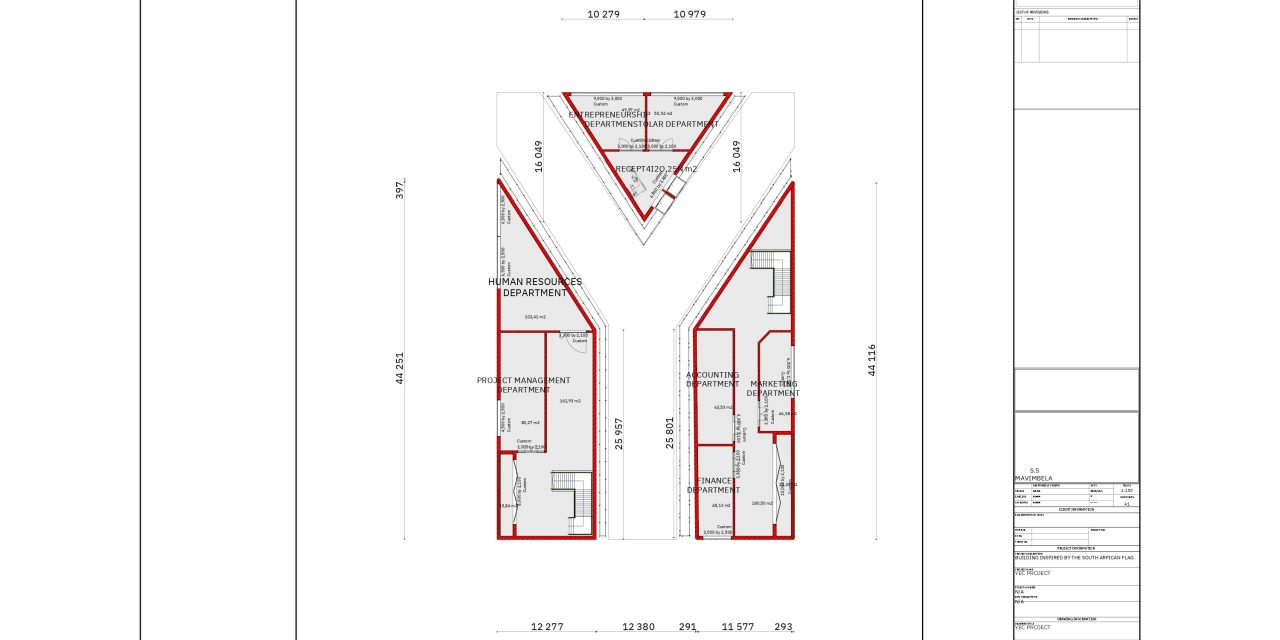
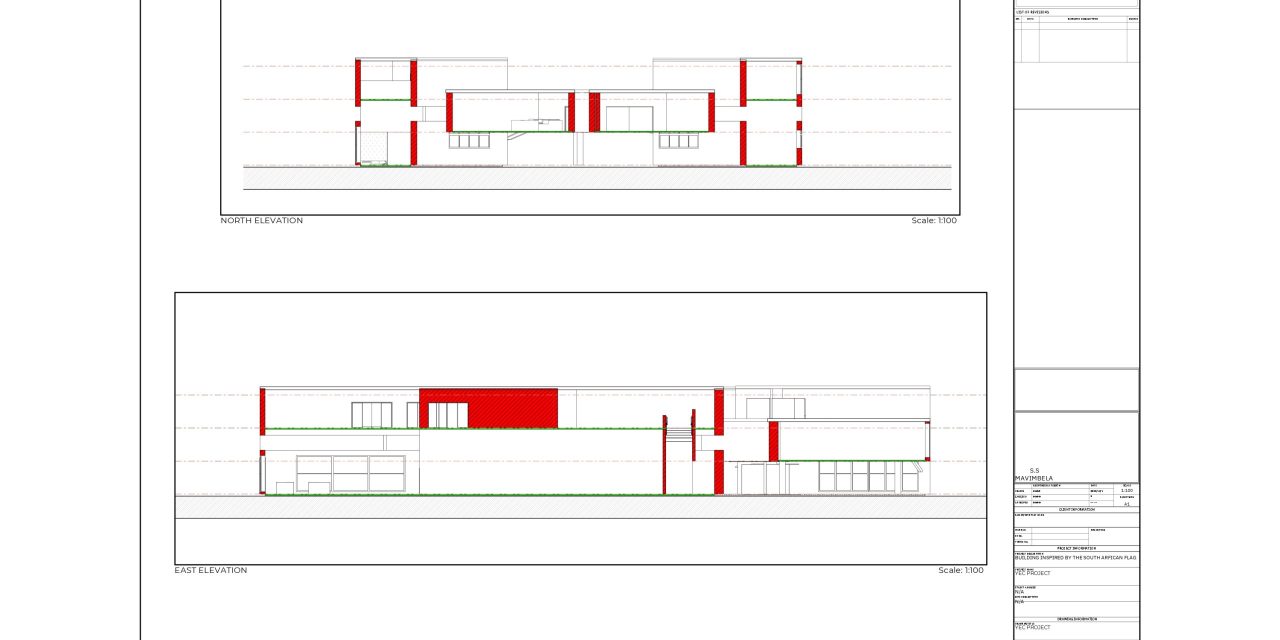
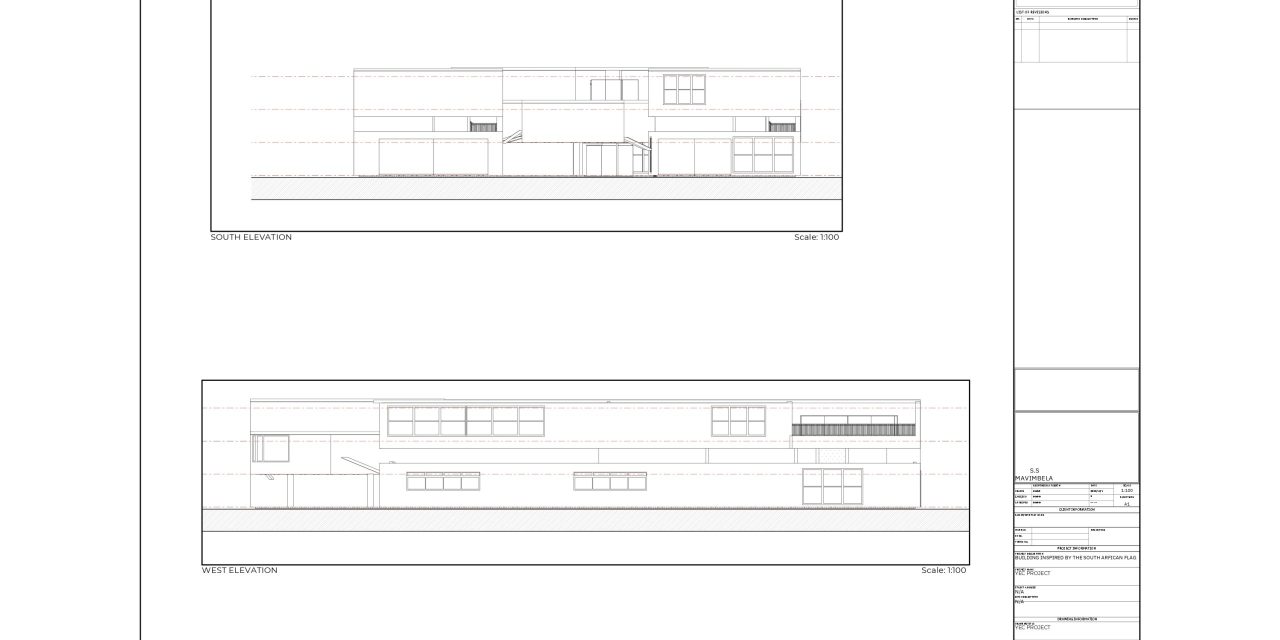
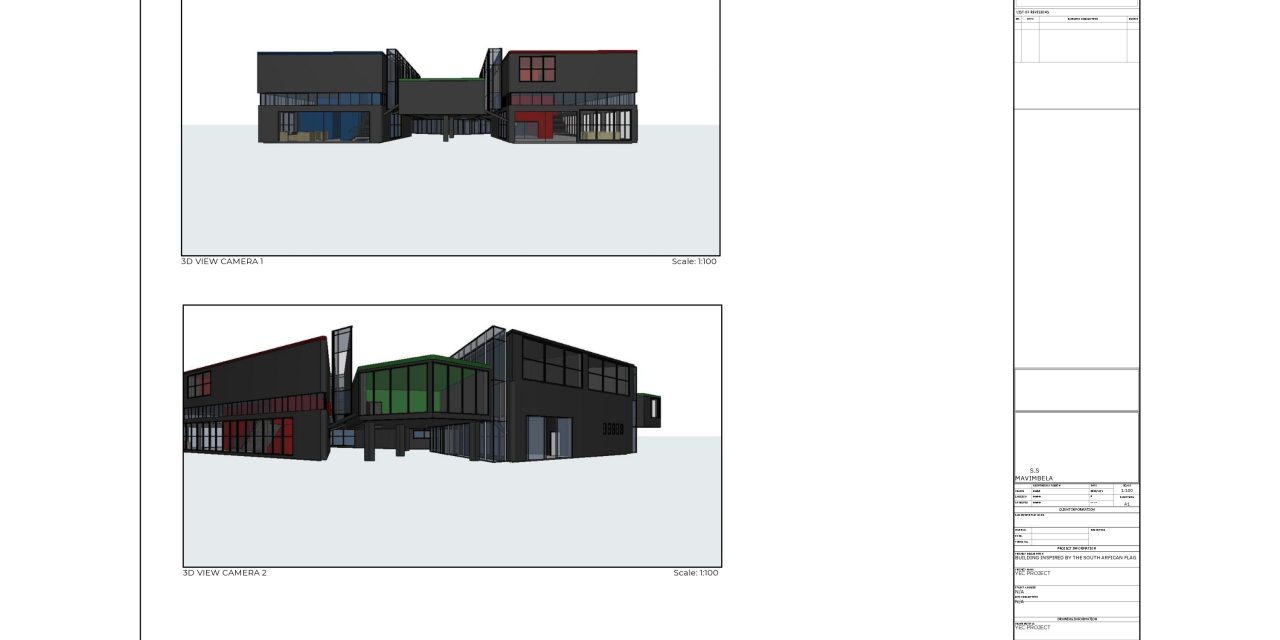
My design concept was inspired by the South African flag, particularly the Y-shape, which represents unity and convergence in the nation’s diverse culture. The building’s three levels symbolize structural harmony, with the ground and second floors maintaining a consistent shape, while the middle (first) floor adopts the Y-shape from the flag. This design choice reflects national pride and embodies the flag’s deeper meaning of coming together as one. Additionally, the choice of a glass façade emphasizes transparency, openness, and modernity, reinforcing a progressive vision.
How have you integrated sustainable design principles into your concept?
- Glass Façade for Natural Light: The extensive use of a glass façade allows for maximum daylight penetration, reducing the need for artificial lighting and lowering energy consumption.
- Efficient Space Utilization: The Y-shaped middle floor creates open and connected spaces that optimize ventilation and natural airflow, enhancing indoor air quality and reducing reliance on HVAC systems.
- Energy Efficiency:The building could incorporate energy-efficient technologies like solar panels or LED lighting to reduce electricity demand.
What lessons have you learned from feedback and collaborating with the team?
- The Importance of Flexibility: Designing a building inspired by the South African flag required balancing aesthetics with functionality. Feedback helped me refine my concept to ensure structural feasibility while maintaining my vision.
- Collaboration Enhances Creativity: Working with a team allowed me to explore different perspectives and ideas, leading to a more refined and innovative design. Team discussions helped improve certain aspects, such as spatial planning and sustainability features.
How do you hope to further grow or develop as part of the SAYE projects team?
- Strengthening Collaboration:
- Actively engage in team discussions, offering ideas and constructive feedback.
- Enhance Coordination: Stay organized with project timelines, roles, and responsibilities to ensure smooth teamwork and project execution.
- Expanding Technical and Design Knowledge
- Enhance skills in sustainable architecture, new building technologies, and advanced design software.
- Stay updated on innovative construction techniques and eco-friendly materials.
- Enhancing Project Management Skills
- Improve your documentation and presentation skills to communicate your ideas clearly.
- Gain experience in planning, execution, and evaluation of projects.
Patrick Mabuza, Mpumalanga
What inspired your design process?
The design process was inspired by the South African flag, symbolizing unity, progress, and diversity. The “Y” shape of the flag influenced the layout, representing the convergence of different groups and industries. Additionally, the philosophy of Ubuntu (“I am because we are”) guided the approach, ensuring the campus fosters collaboration, empowerment, and growth.
How have you integrated sustainable design principles into your concept?
Sustainability was central to the design. Green roofs and walls use indigenous vegetation for temperature control and aesthetics. Solar panels provide renewable energy. Smart water systems harvest rainwater and recycle greywater for irrigation. Recycled materials reduce environmental impact. Indigenous landscaping with aloe and Spek boom creates low-maintenance, relaxing spaces. These elements ensure long-term environmental resilience.
What lessons have you learned from feedback and collaborating with the team?
I have learned that collaboration brings diverse perspectives, each adding a unique touch to the same brief. Seeing different interpretations has been like a masterclass in design thinking. Feedback has shown me that there isn’t just one way to approach a concept; embracing constructive criticism can reshape and elevate a design beyond my initial vision. The team’s insights have also helped me notice details I might have overlooked. Most importantly, I’ve realized that growth comes from staying open-minded, learning from others, and valuing the power of shared creativity.
How do you hope to further grow or develop as part of the SAYE projects team?
As part of the SAYE projects team, I hope to further develop my skills in placemaking and community-driven architecture, ensuring that designs are inclusive, responsive, and impactful. Working on SAYE initiatives will provide valuable experience in real-world projects, enhancing my ability to collaborate with stakeholders, refine technical skills, and integrate sustainable innovations. Through SAYE, I aim to grow as a designer and make a meaningful impact on communities.


Avela Swana, JHB
What inspired your design process?
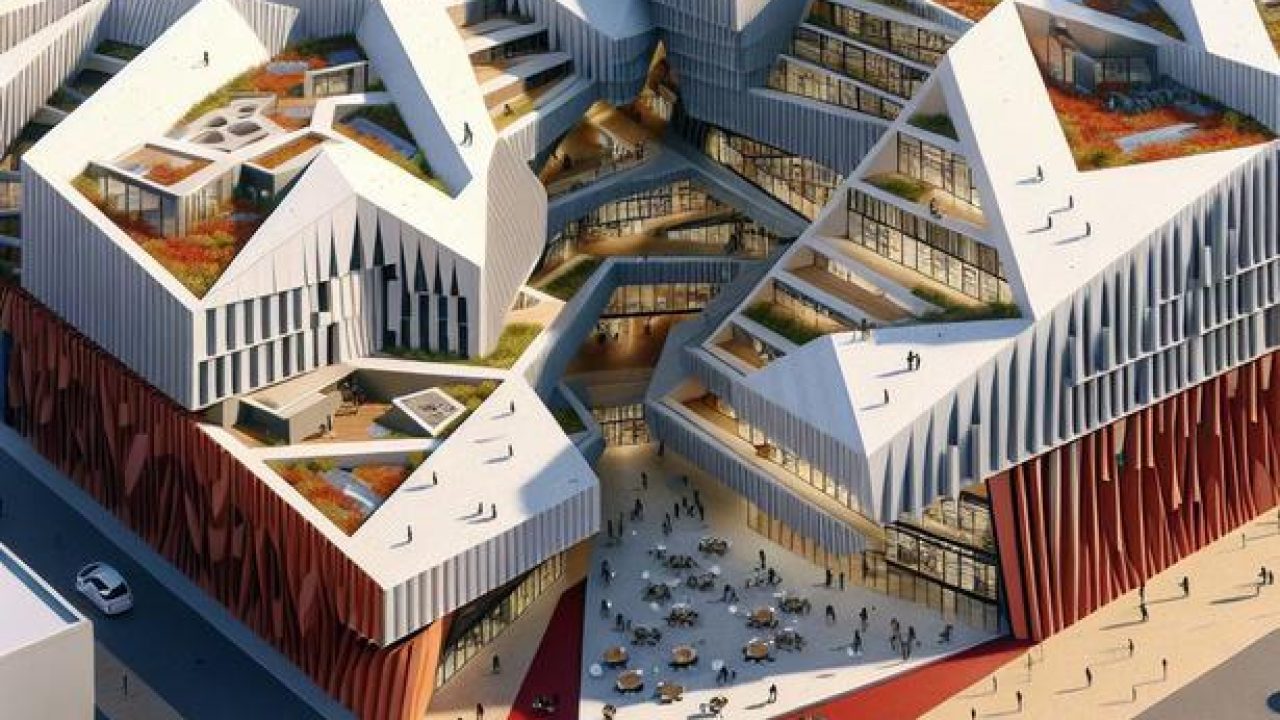
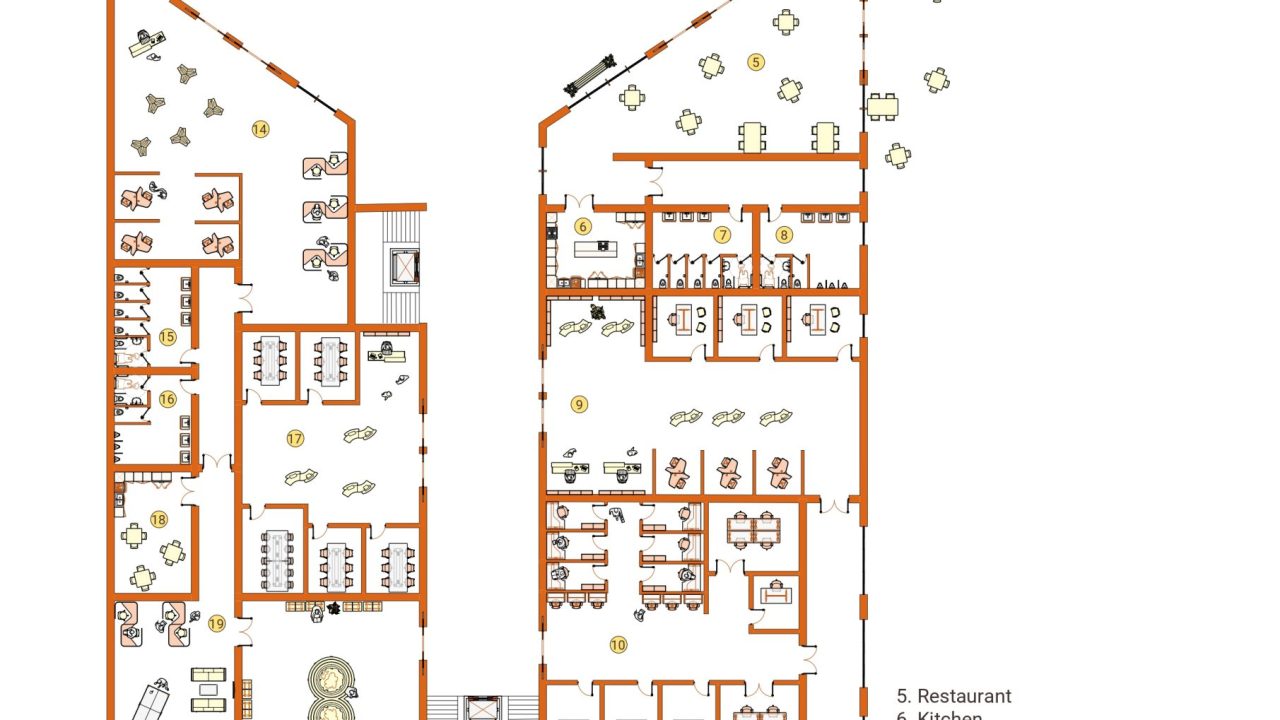
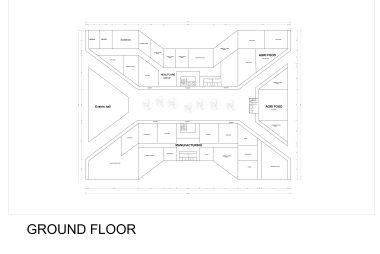
I was mainly focusing on pairing spaces together that led to greater functionality. The main shape came from the South African flag, and this determined what shapes these pockets of program would take on once constrained by a specific shape and dimension.
How have you integrated sustainable design principles into your concept?
The buildings have smaller central circulation points within them, creating corridors of movement. It allows for greater movement. With reference to wind directions on site and North dominance, one will be able to shift or rotate the building in various ways to create sustainable ventilation systems. I believe at this point the building will also take a more interesting shape. I designed a roof garden that will allow the agricultural department to grow food and other medicines. The highest roof, the left building, will have solar panels.
What lessons have you learned from feedback and collaborating?
The feedback has been great for checking my abilities and thought process. I enjoy feedback because it allows you to gain perspective on if your mind is in the right place in terms of creating the desired and most effective responses. Collaborating keeps you quite accountable and focused on delivering, so the project can move along. The workload is a lot more manageable and flexible when divided among a larger group. I felt I had the space to really explore the part of the project assigned to me without having to think about too many other things at the same time. In the past, this would be debilitating for me, and I would often be immobilized by indecision.
How do you hope to further grow or develop as part of the SAYE projects team?
I look forward to seeing the multiple design stages of a project, especially the very beginning of creating a pitch and looking for funding. These will be crucial lessons for me as my career continues to develop. I am grateful to have the project as something I can say I put my efforts towards, and it will be a proud project to share. I hope to continue to show up and contribute meaningfully to the SAYE team but ultimately hope that we all grow in our abilities and networks from the SAYE initiative.